 |
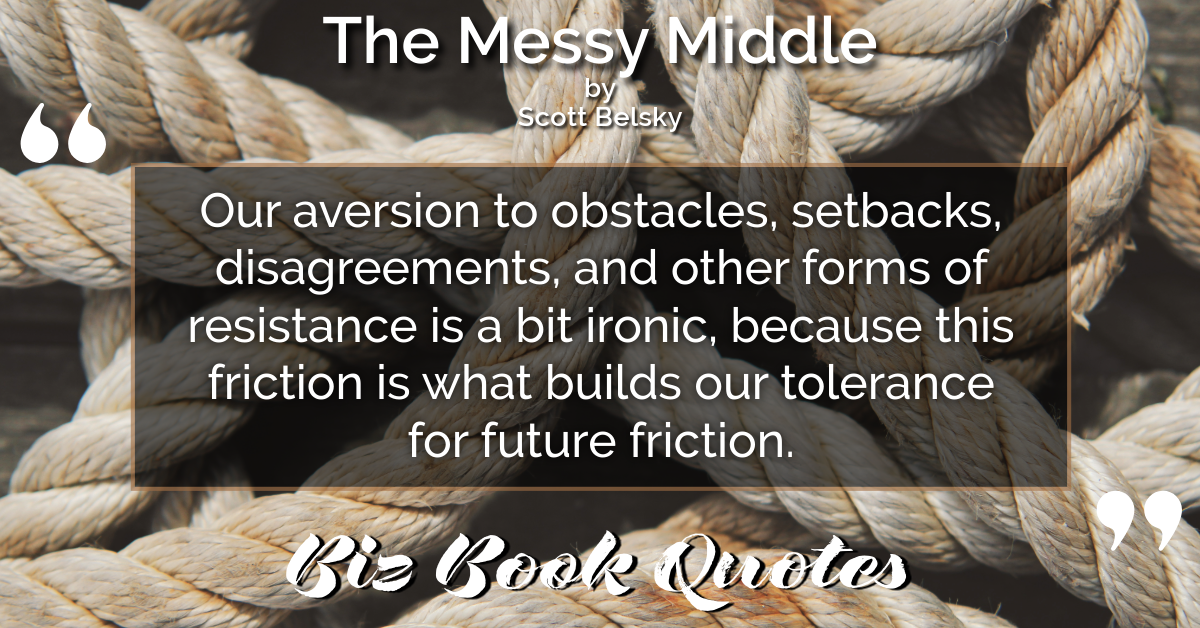
Our aversion to obstacles, setbacks, disagreements, and other forms of resistance is a bit ironic, because this friction is what builds our tolerance for future friction.
|
037 |
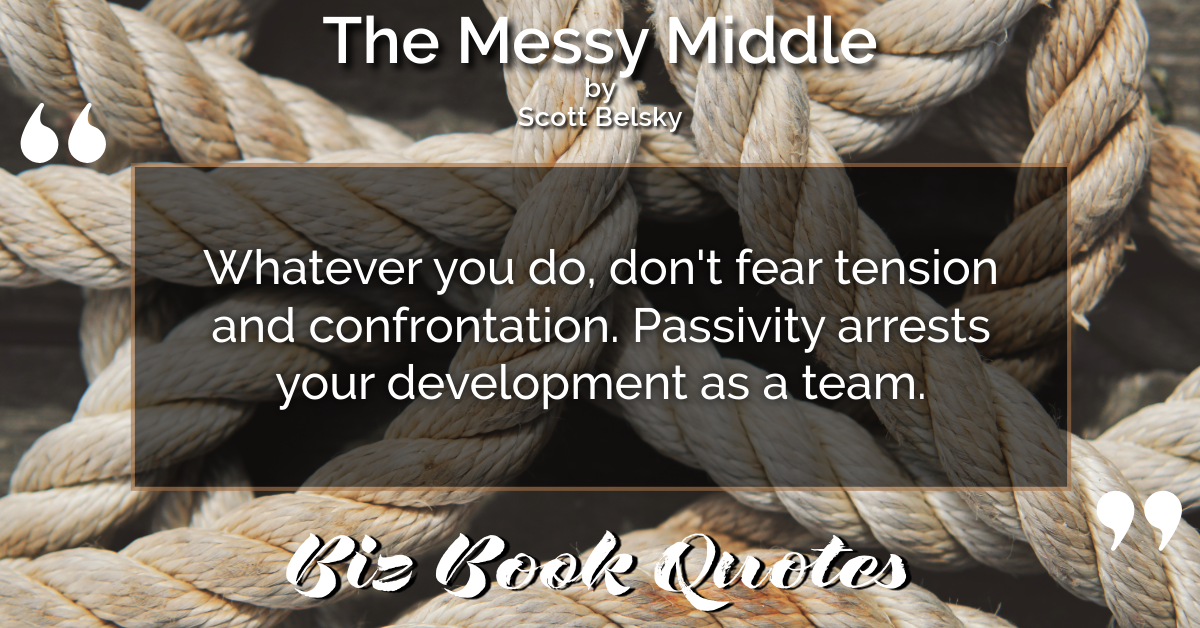 |
Whatever you do, don’t fear tension and confrontation. Passivity arrests your development as a team.
|
039 |
 |
If you’ve lost conviction but refuse to change course because of what you’ve already invested or achieved, then you’re officially doing things for the wrong reason.
|
064 |
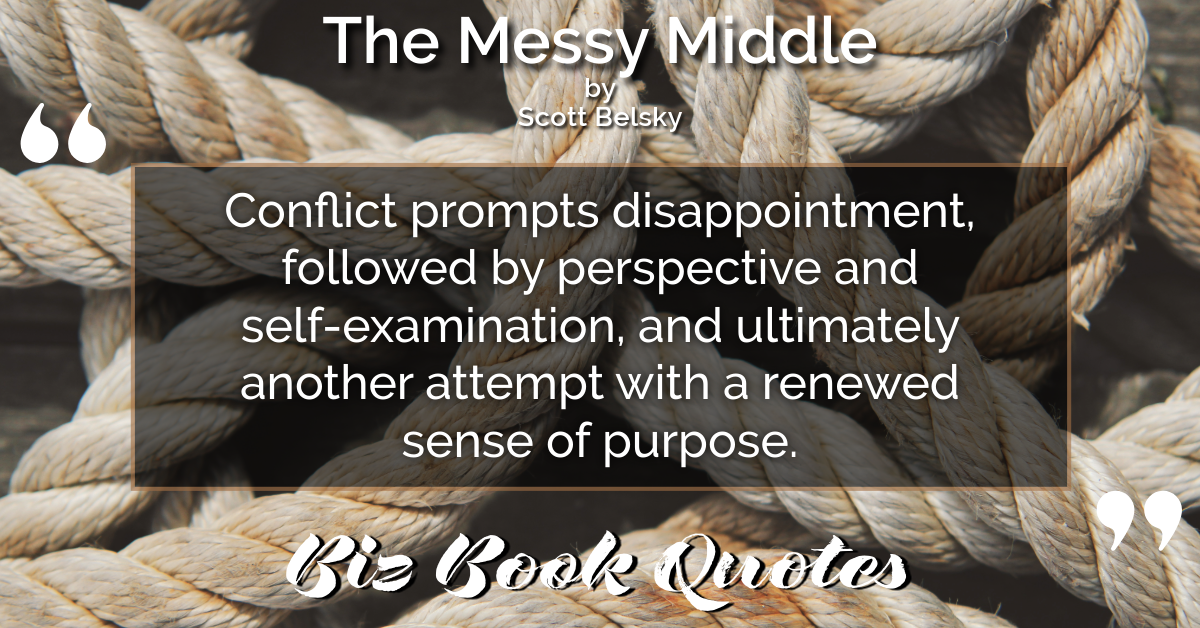 |
Conflict prompts disappointment, followed by perspective and self-examination, and ultimately another attempt with a renewed sense of purpose.
|
073 |
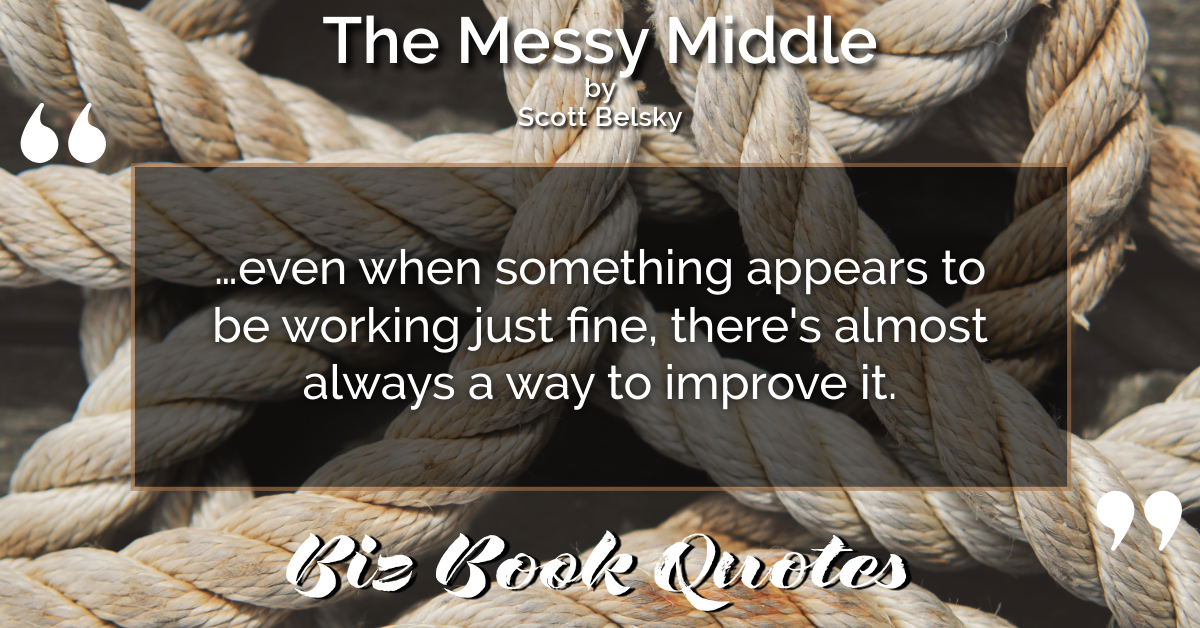 |
…even when something appears to be working just fine, there’s almost always a way to improve it.
|
094 |
 |
You need to hire and empower people who default to the opposite tendency to your own, even if it makes you feel uncomfortable.
|
118 |
 |
The short-term pain of letting a troublesome employee go outweighs the long-term gain of keeping the rest of your employees engaged.
|
127 |
 |
Your team must feel taken care of and must have no doubt that they are being rewarded as best as possible for their achievements – and then a little bit more.
|
142 |
 |
Without truthful attribution, the forces driving performance in a team become apathetic and ultimately resentful.
|
147 |
 |
Periodically audit the processes around you and look for ways to either kill or improve them to free up your employees’ time where you can.
|
155 |